Setting Boundaries with In-Laws: A Multicultural Wedding Guide
Family relationships can be complex even under the best circumstances, but when marriage brings together two families, often from different cultural backgrounds, expectations can multiply quickly. Around the world, norms surrounding marriage, loyalty, parenting, and gender roles vary widely. What one family sees as a loving involvement, another may view as overstepping and overbearing. This blog explores how cultural differences shape in-law relationships, why tensions arise, and practical strategies for negotiating family expectations with respect, clarity, and empathy.
Collectivist vs. Individualistic Perspectives: Understanding Cultural Expectations
A huge factor influencing the behaviour of in-laws is whether the culture leans towards collectivism or individualism. In Western societies, marriage is primarily seen as a partnership between two people, where independence, personal boundaries, and self-direction are valued. Parents may offer advice, but the couple typically makes their own decisions.
In collective cultures, including many South Asian, African, Middle Eastern, and Latin American communities, marriage is viewed as a union of families, not just individuals. Parents may play a significant advisory or even decision-making role, and the extended family is considered an essential part of everyday life.
This contrast can influence:
- Where a couple’s lives- independent home or multigenerational home
- Decision-making processes- personal choices or family-centred choices
- Holiday and celebration priorities
- Financial responsibilities towards the extended family
- Child raising norms and guidance
Neither approach is better, but they simply reflect different cultural values. Conflict often arises when partners don’t realize or communicate how deeply these expectations are embedded in their worldview.
Overcoming the ‘Out-Law’ Feeling: When Expectations Conflict
Many people describe feeling like outlaws instead of in-laws when entering a family that has differing cultural norms from their own. This can happen across any cultural boundary, whether it may be national, religious, socioeconomic, or even regional.
Perhaps your partner’s family is warm and outgoing when you are more reserved. Maybe they expect weekly gatherings, while you grew up with minimal extended family involvement. Or perhaps they value family above personal preferences, while your background emphasizes self-determination.
Feeling like an outlaw often stems from:
- Unspoken rules you only discover after unintentionally breaking them.
- Different ideas of respect, for example, silence may be polite in one family and cold in another.
- Fear of disappointing your partner while trying to remain true to your own cultural roots.
Their feelings are natural and often temporary as understanding grows.
Communication: Key to Navigating Cross-Cultural Family Dynamics
You don’t have to abandon your cultural identity to negotiate in-law relationships. What you do need is honest, compassionate communication, especially between partners.
Start with curiosity, not judgment
Instead of assuming your partner’s family is intrusive, rigid, or distant, ask about the cultural logic behind their actions. Curiosity opens doors where assumptions close them.
Define ‘we’ as a couple first
A strong partnership requires shared values and aligned boundaries. Culture informs this, but partnership determines it.
Talk about questions like:
- What relationship do we want with each family?
- What boundaries protect our emotional well-being?
- Which traditions matter most to both of us?
Express expectations with tact
When speaking with in-laws, phrasing matters
Instead of saying:
“You can’t be in love with our decisions.” Try to say, “We value your experience, and we also need space to make some decisions together as a couple.”
Small shifts can prevent misunderstanding and preserve respect.
Celebrating Differences & Creating Blended Rituals
Cross-cultural family relationships bring beautiful opportunities to expand your world. You may adopt new celebrations, foods, or forms of hospitality. You might learn different expressions of love, generosity, or family cohesiveness. Furthermore, you may even witness your own family becoming more open or flexible.
The goal isn’t to homogenize anything, it’s to build something new: a shared family culture that honours both histories
Setting Boundaries with In-Laws: When Challenges Arise
Cultural differences can amplify tensions around topics such as gender roles, religious practice, financial responsibility, or privacy. When conflict appears:
- Let your partner act as your cultural guide, as they know their family best
- Focus on behaviors, not identities
- Seek support, such as cross-cultural counselling
- Be patient as families adapt more slowly than couples
Especially for couples navigating immigration processes, family expectations can feel even heavier. Here again, professionals such as spouse visa solicitors can help reduce stress by handling legalities while you focus on your family and relationship.
Building Bridges: Identifying Shared Values Across Cultures
Strong in-law relationships take effort, but the payoff can be profound. Ways to build connection include.
- Learning each family’s love languages.’
- Showing genuine interest in each other’s traditions
- Identifying shared values across cultures
- Creating blended rituals unique to your partnership
The result is a relationship where differences become assets rather than obstacles.
A Family You Build: Transforming Conflict into Growth
Navigating family expectations across cultures can be challenging, but it can also be deeply enriching. When approached with openness, empathy, and intentional communication, couples can transform potential conflicts into opportunities for growth.
In-laws don’t have to become outlaws. They can become allies, mentors, and cherished members of the unique, blended family culture you build together.
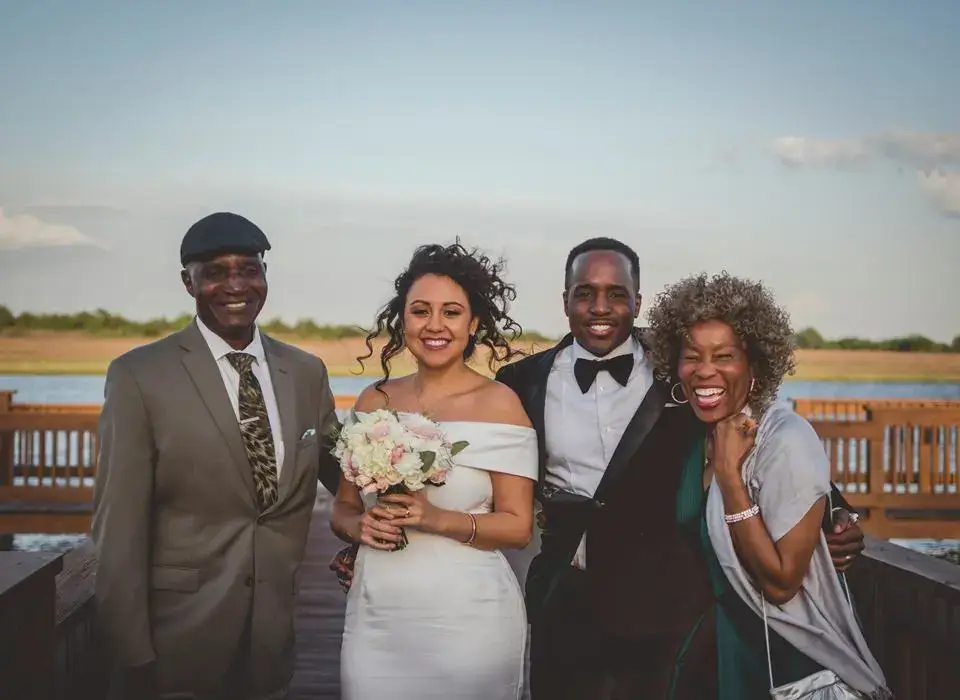
Photo by Gabriel Tovar on Unsplash